The Power of Nature in Visual Storytelling
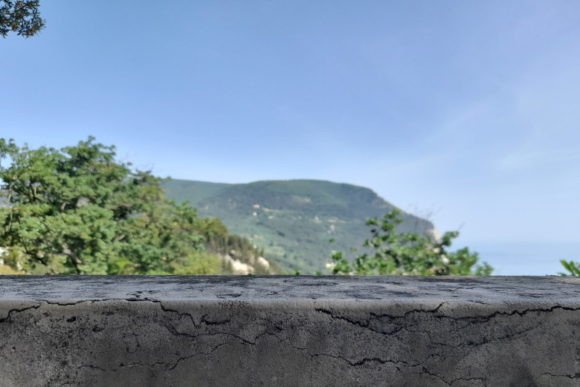
In the realm of digital design and visual communication, Nature serves as more than just a backdrop; it is a foundational element that evokes emotion, establishes context, and anchors a message in reality. When we speak of incorporating Nature into our creative projects, we are not merely talking about adding a picture of a tree or a river. We are discussing the integration of organic textures, lighting conditions, and atmospheric depth that mimic the real world. Consider the hyper-realistic mockup image described: a sturdy pedestal standing tall in the foreground against a breathtaking seascape. This specific composition illustrates how Nature can transform a simple object presentation into a narrative of stability and serenity.
Understanding the Role of Natural Environments
The purpose of utilizing Nature in visual assets extends far beyond aesthetic appeal. It acts as a psychological trigger for the viewer. In the example of the deep blue sea stretching to the horizon, the vastness of the water combined with the gentle, rhythmic lapping of waves creates an immediate sense of calm. For creators and business owners, this is invaluable. When a product or concept is placed within such an environment, it inherits these qualities. The pedestal, representing strength and stability, gains a new dimension when set against the fluid, ever-changing motion of the ocean. This juxtaposition highlights the enduring nature of the subject matter while acknowledging the dynamic world around it.
Nature provides a universal language that transcends cultural barriers. Everyone understands the feeling of a clear, bright sky with fluffy white clouds. Everyone recognizes the lush greenery of trees swaying in a breeze. By leveraging these familiar elements, designers can communicate complex ideas quickly and effectively. Whether you are showcasing a luxury timepiece, a piece of sustainable architecture, or a digital service, grounding your visuals in a realistic natural setting builds trust and relatability.
Key Characteristics of Effective Natural Mockups
- Depth and Perspective: A successful Nature background must offer distinct layers. In our scenario, the foreground features the clean lines of the pedestal, the mid-ground contains the shoreline and lush bushes, and the background reveals distant mountains shrouded in mist. This layering creates a three-dimensional feel that flat images cannot achieve.
- Lighting Consistency: The light in a natural setting is rarely uniform. The sun casts shadows, reflects off the water, and filters through leaves. To maintain realism, the lighting on the foreground object (the pedestal) must match the direction and quality of the light in the background scenery.
- Atmospheric Harmony: The overall effect should be one of balance. The mist on the mountain peaks adds a touch of mystery and softness, contrasting with the sharp, smooth surface of the pedestal. This harmony ensures that the object does not look pasted on but rather integrated into its environment.
Who Benefits from Integrating Nature?
A wide array of professionals can benefit from the strategic use of Nature in their workflows. For creators and photographers, high-quality natural mockups save hours of travel and setup time. Instead of physically transporting a product to a remote coastline, they can utilize a hyper-realistic digital environment that captures the essence of that location perfectly.
Business owners in industries related to wellness, sustainability, outdoor gear, and luxury goods find particular value here. Imagine a brand selling eco-friendly skincare products. Placing their packaging on a pedestal surrounded by lush greenery and a pristine sea immediately reinforces their brand values without a single word of copy. It tells a story of purity, renewal, and connection to the earth.
For online users and general consumers, these visuals enhance the shopping experience. In an era of e-commerce where customers cannot touch or feel a product, visual cues become critical. A Nature-inspired presentation helps the consumer visualize the product in a real-world context, making the purchase decision feel more grounded and confident.
Real-World Applications and Scenarios
- Luxury Real Estate Marketing: When selling a property with a view, using a mockup that emphasizes the surrounding landscape—mountains, sea, and sky—can significantly increase perceived value. The pedestal could represent the foundation of the home, symbolizing security amidst beauty.
- Tech Product Launches: Even for non-natural products like smartphones or wearables, a Nature background can suggest durability and seamless integration into daily life. A rugged watch displayed on a stone pedestal near the ocean implies it is ready for adventure.
- Corporate Branding: Companies seeking to project an image of growth and stability often use imagery of strong trees and clear skies. The combination of a solid structure (pedestal) and a thriving ecosystem communicates a balanced corporate philosophy.
Evaluating Suitability and Practical Expectations
While the benefits of using Nature are clear, it is essential to approach these tools with practical expectations. Not every product suits every natural setting. A delicate silk scarf might look out of place on a rugged, wind-swept cliff, whereas it would shine on a soft, grassy meadow. The key is alignment between the product's attributes and the mood of the environment.
Strengths: The primary advantage is emotional resonance. Nature backgrounds tap into biophilic design principles, which suggest that humans have an innate tendency to seek connections with nature. This leads to lower stress levels and higher engagement rates for viewers. Additionally, hyper-realistic mockups offer scalability. Once created, the same background can be used across social media, websites, brochures, and presentations, ensuring brand consistency.
Considerations and Limitations: One must be wary of over-stylization. If the background is too busy or the colors too saturated, it can distract from the main subject. The pedestal in our example works because it is simple yet elegant, allowing the detailed background to complement rather than compete. Furthermore, technical limitations exist; achieving true hyper-realism requires high-resolution assets and careful attention to lighting physics. Low-quality images can break the illusion, making the final result look cheap or artificial.
To evaluate if a specific Nature asset is suitable for your project, ask yourself: Does the environment support the story I want to tell? Is the lighting consistent? Does the scale of the background elements make sense relative to the foreground object? If the answer to these questions is yes, then you have found a powerful tool for visual storytelling.
Crafting a Narrative of Balance
Ultimately, the goal of integrating Nature into your visual content is to create a sense of balance and harmony. Just as the pedestal stands as a symbol of stability against the moving sea, your content should offer a steady point of reference for your audience in a chaotic digital world. The deep blue of the sea, the lush green of the trees, and the mist-shrouded mountains all contribute to a visual statement that is both striking and meaningful.
By understanding the characteristics of natural environments and applying them thoughtfully, you can elevate your work from mere presentation to immersive experience. Whether you are a professional designer crafting a campaign or a business owner looking to connect with your audience, remember that Nature offers a limitless palette of inspiration. It invites us to pause, reflect, and appreciate the beauty of the world, even within the confines of a digital screen. As you move forward with your projects, consider how the serene power of the outdoors can amplify your message, creating a lasting impression of peace, strength, and authenticity.