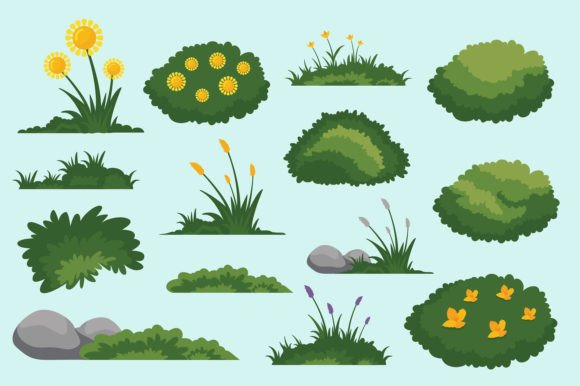
Green Bushes for Landscape Plan: A Practical Guide to Selection
Creating a cohesive outdoor space requires more than just planting flowers; it demands a structural backbone that provides year-round interest and definition. This is where green bushes for landscape plan become essential. These shrubs serve as the architectural elements of a garden, offering texture, privacy, and visual weight that guide the eye through the property. Whether you are designing a new yard or revitalizing an existing one, understanding the role of these plants is critical for achieving a balanced and functional environment.
Defining the Role of Shrubs in Landscape Design
When professionals refer to green bushes for landscape plan, they are discussing a diverse category of woody perennials used to fill specific design niches. Unlike annuals that provide temporary color, these bushes offer permanence. They range from low-growing ground covers to tall hedges, serving various functions such as screening unsightly views, defining property lines, or softening the transition between hardscape features like patios and driveways.
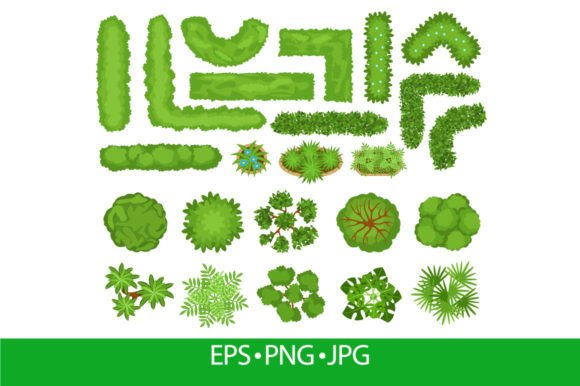
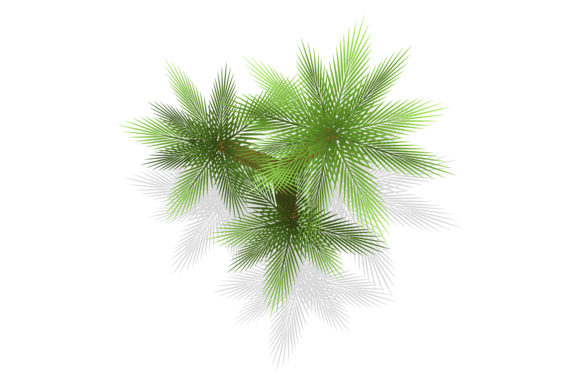
In the context of modern planning, these plants are often visualized using digital assets. Designers frequently utilize plants top view isolated on white background formats, available as EPS, JPG, SVG, or transparent PNG files, to map out spatial relationships before breaking ground. These technical representations allow for precise measurement and arrangement, ensuring that the selected greenery fits the physical constraints of the site while maintaining aesthetic harmony.
Why Homeowners Prioritize Green Bushes
The decision to incorporate shrubs into a landscape strategy usually stems from practical needs rather than fleeting trends. Homeowners often seek these plants to solve specific problems:
- Privacy Enhancement: Dense foliage creates natural barriers against neighbors or busy streets without the rigidity of a wooden fence.
- Noise Reduction: Thick layers of leaves can dampen traffic noise, creating a quieter sanctuary within the home environment.
- Erosion Control: The root systems of many bush varieties stabilize soil on slopes, preventing washouts during heavy rains.
- Wildlife Support: Native shrubs provide shelter and food sources for local birds and pollinators, contributing to the local ecosystem.
Beyond utility, there is a psychological benefit to structured greenery. A well-planned arrangement of bushes offers a sense of order and containment, which can reduce visual clutter and make a large yard feel more intimate and manageable.
Benefits and Tradeoffs of Using Shrubs
Selecting the right vegetation involves weighing significant advantages against potential maintenance requirements. The primary benefit of using green bushes for landscape plan is longevity. Once established, these plants require less water and care than annual flower beds, providing a "set it and forget it" solution for much of the landscape.
However, tradeoffs exist. One major consideration is growth rate. Fast-growing species offer immediate impact but may require frequent pruning to maintain shape and size. Conversely, slow-growing varieties demand patience but offer lower long-term maintenance costs. Additionally, some bushes can be invasive if not chosen carefully, potentially overtaking other desirable plants or damaging infrastructure.
Another factor is seasonal variation. While evergreen bushes provide consistent coverage, deciduous varieties lose their leaves in winter. For those seeking year-round privacy, relying solely on deciduous options may result in a loss of function during colder months. Evaluating the specific climate zone and sun exposure of your property is crucial to avoiding disappointment with plant performance.
When Green Bushes Are the Strongest Fit
There are specific scenarios where incorporating shrubs is the most logical choice for a landscape plan. If your goal is to create distinct zones within a single yard—such as separating a dining area from a play area—shrubs act as soft dividers that allow light and air to pass through while maintaining separation.
They are also ideal for properties with irregular shapes or awkward corners. Filling these spaces with appropriately sized bushes eliminates dead zones and creates a continuous flow of greenery. Furthermore, if you are looking to increase property value, a mature, well-maintained landscape featuring healthy shrubs is a proven asset that appeals to potential buyers looking for move-in readiness.
For homeowners utilizing digital planning tools, having access to high-quality transparent PNG or SVG images of these plants allows for accurate visualization. This ensures that the scale of the bushes matches the architecture of the home, preventing the common mistake of planting trees or shrubs that eventually overshadow the structure.
Considering Alternatives to Traditional Bushes
While shrubs are versatile, they are not the only solution for every landscaping challenge. In situations where space is extremely limited, such as narrow urban strips or small balconies, large bushes may be impractical. In these cases, vertical gardening techniques, trellises with climbing vines, or container gardens might offer a better fit.
Similarly, if the primary goal is purely ornamental color with minimal structural requirement, a mix of perennial flowers and grasses could provide a softer, more dynamic look without the commitment of woody plants. For those concerned about water conservation in arid regions, xeriscaping alternatives like succulents or rock gardens might be more sustainable than traditional water-thirsty bushes.
It is also worth considering artificial landscaping solutions for areas with poor soil quality or extreme shade where few plants survive. High-quality synthetic options can mimic the look of green bushes for landscape plan without the biological needs, though they lack the ecological benefits of living plants.
Practical Decision-Making Insights
To determine if this approach aligns with your goals, start by assessing your site's conditions. Measure the available square footage and note the hours of direct sunlight different areas receive. Consult local extension services to identify native species that thrive in your specific soil type and hardiness zone. Native plants generally require fewer pesticides and fertilizers, reducing both cost and environmental impact.
Before purchasing, visualize the mature size of the plant. Many beginners select bushes based on their nursery size, only to find they outgrow the space within a few years. Utilize digital planning resources, such as plants top view isolated on white background files in vector formats (EPS, SVG), to experiment with spacing and density. These tools allow you to simulate how the foliage will expand over time, helping you avoid overcrowding.
Finally, consider your long-term maintenance capacity. Be honest about how much time you can dedicate to pruning, watering, and weeding. A landscape plan is only successful if the homeowner can sustain it. By balancing aesthetic desires with practical realities, you can create a garden that remains beautiful and functional for years to come.