Understanding the Versatility of Brushed Metal Texture Backgrounds
In the realm of digital design and print-on-demand creation, the choice of background texture often dictates the perceived quality and mood of a final product. Among the various options available, the Brushed Metal Texture Background stands out as a staple for projects requiring a sense of industrial elegance, durability, or modern sophistication. Unlike flat colors or organic patterns, this specific aesthetic relies on the interplay of light and shadow across fine, parallel lines to mimic the surface of polished steel, aluminum, or stainless metal. For designers, crafters, and small business owners evaluating resources for their next project, understanding the nuances of this texture is essential for making an informed decision.
Defining the Aesthetic: What Makes It Distinct?
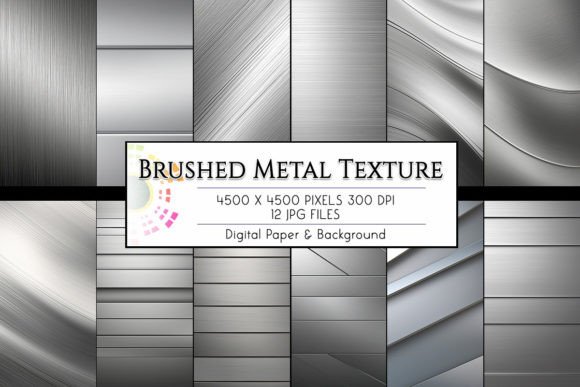
The defining characteristic of a realistic brushed metal texture is its directional grain. This is not merely a gray color fill; it is a complex visual simulation of microscopic abrasions left by polishing tools. When light hits these fine grooves, it creates subtle highlights and shadows that give the surface depth and dimensionality. A high-quality Brushed Metal Texture Background captures this behavior accurately, ensuring that the material looks tactile rather than flat.
This distinction is crucial when comparing it to other metallic finishes. For instance, a "polished" or "mirror" metal background reflects the environment sharply, often resulting in a chaotic pattern that can interfere with text or logos. In contrast, the brushed finish diffuses light softly, providing a neutral yet textured canvas that allows foreground elements to remain legible. The flat metal lines texture background style offers a consistent visual rhythm that guides the eye without overwhelming the primary content. Whether used for a corporate presentation slide, a tech product mockup, or a DIY scrapbook page, this texture conveys a message of precision and engineering.
Comparing Formats: Digital Downloads vs. Physical Samples
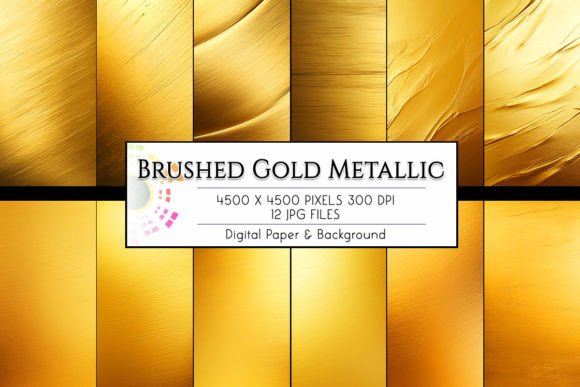
When sourcing textures for creative work, creators often face a choice between purchasing physical materials or downloading digital assets. While physical samples offer tangible reference points, they are limited by size, cost, and shipping logistics. A Digital Graphic Design bundle, such as a collection of 12 generative AI backgrounds, provides immediate access to high-resolution files without the wait time associated with physical shipping.
The primary advantage of a digital download is scalability. A file saved at 4500 x 4500 pixels at 300 DPI ensures that the texture remains crisp whether printed on a small sticker or blown up for a large vinyl decal. Physical swatches cannot be resized without losing detail or requiring new purchases. Furthermore, digital bundles allow for experimentation. A designer can instantly test how a logo looks against a silver brushed background versus a darker gunmetal variation, a process that would be time-consuming and expensive with physical samples.
However, there are tradeoffs. Digital files require technical proficiency. Users must have a computer capable of unzipping compressed archives and software to manipulate JPG files. Additionally, while the visual representation is accurate, it does not convey the actual weight or temperature of the metal. For projects where tactile feedback is paramount, such as architectural model making, physical materials may still be necessary. Yet, for the vast majority of graphic applications—including t-shirts, mugs, greeting cards, and artwork—the digital format is the superior choice for efficiency and versatility.
Evaluating Use Cases: When Is This Texture the Right Fit?
Selecting the right background involves analyzing the intended application. The Brushed Metal Texture Background excels in scenarios where a professional, sleek, or futuristic vibe is required. It is particularly effective in the following areas:
- Tech and Gadget Branding: The association with stainless steel and aluminum makes this texture ideal for electronics, software interfaces, and hardware packaging. It suggests reliability and modern technology.
- Industrial and Automotive Themes: For designs related to machinery, automotive parts, or construction, the flat metal lines provide an authentic context that resonates with the target audience.
- Modern Minimalist Art: Artists creating abstract or geometric art often use this texture to add a layer of realism to otherwise simple compositions. The subtle grain prevents the image from looking too sterile.
- DIY Craft Projects: From custom pillows to postcards, the texture adds a premium feel to everyday items. It transforms a standard paper print into something that mimics a high-end manufactured good.
Conversely, there are situations where this texture may not be the best fit. If a project aims for a warm, organic, or rustic aesthetic, the cool tones and rigid lines of brushed metal can feel out of place. Similarly, for children's products or soft lifestyle branding, the hardness of the metal texture might contradict the desired emotional tone. In these cases, alternatives like wood grain, fabric textures, or watercolor washes would serve the design goals more effectively.
Quality Considerations: Resolution and Detail
Not all digital textures are created equal. One of the most critical factors in evaluating a Brushed Metal Texture Background is its resolution. Low-resolution images often suffer from pixelation when printed, causing the fine lines of the grain to blur or break apart. This destroys the illusion of realism and makes the final product look amateurish.
A robust resource, such as a high-resolution bundle featuring files at 300 DPI, ensures that the intricate details of the metal grain are preserved. At 4500 x 4500 pixels, the file contains enough data to support large-format printing without degradation. This level of detail is particularly important for close-up applications like stickers or vinyl decals, where viewers will examine the texture closely. Generative AI has revolutionized the creation of these textures, allowing for unique variations that avoid the repetitive patterns often found in older, tiled stock photos. This uniqueness ensures that no two designs look exactly alike, adding value to custom projects.
Decision Factors for Creators and Businesses
For adults aged 20–50 exploring creative resources, the decision to invest in a digital texture bundle should be based on long-term utility and flexibility. A bundle containing multiple variations—such as different lighting angles or metal tones—offers significant value over single-image purchases. It allows a creator to build a cohesive brand identity across various mediums, from business cards to merchandise.
It is also vital to understand the licensing terms associated with digital downloads. Most reputable sellers clearly state that these are DIGITAL downloads and that no physical items will be shipped. This clarity helps manage expectations regarding delivery and usage. Typically, these licenses permit the user to create finished goods for personal use or sale (like t-shirts or mugs) but prohibit the resale of the raw digital files themselves. Understanding these boundaries protects both the creator and the buyer, ensuring a fair exchange of intellectual property.
Furthermore, the ease of integration into existing workflows is a key consideration. High-resolution JPG files are universally compatible with most design software, including Adobe Photoshop, Illustrator, Canva, and GIMP. This compatibility reduces the learning curve and allows users to focus on creativity rather than troubleshooting file formats. However, users must ensure they have the necessary hardware to handle large files efficiently. A computer with adequate processing power and storage space is essential for unzipping and editing these high-quality assets.
Alternatives and Complementary Styles
While the Brushed Metal Texture Background is versatile, it is rarely the only option needed in a comprehensive design toolkit. Often, the most compelling designs arise from combining textures. For example, pairing a brushed metal background with a vibrant gradient overlay can create a striking cyberpunk effect. Alternatively, using it as a base layer beneath a semi-transparent image can add depth to a collage-style scrapbook page.
If the goal is to achieve a softer metallic look, alternatives like "hammered metal" or "anodized aluminum" might be worth exploring. Hammered metal offers a more irregular, dimpled surface that scatters light differently, creating a warmer, more artisanal feel. Anodized metals introduce color to the surface, moving beyond the traditional silver and gray palette. Evaluating these alternatives alongside the standard brushed finish helps creators find the precise nuance required for their specific vision.
Ultimately, the choice depends on the narrative the design needs to tell. Does the project need to communicate strength and precision? Then the flat metal lines texture is likely the optimal choice. Does it need to evoke warmth or nature? Then a different category of texture should be prioritized. By weighing these factors—resolution, licensing, aesthetic fit, and technical requirements—designers can confidently select resources that elevate their work. Whether producing a single greeting card or launching a line of custom apparel, the right background texture serves as the foundation for a professional and impactful result.